We use cookies to keep the site reliable, remember basic choices, and understand which pages are useful. You can accept, reject, or review the settings before continuing.
Cookie settings
Each course at HolyCode Digital Academy is built around a set of practical instruments that help you move from reading about code to writing it with confidence. These are the same tools working developers rely on daily.
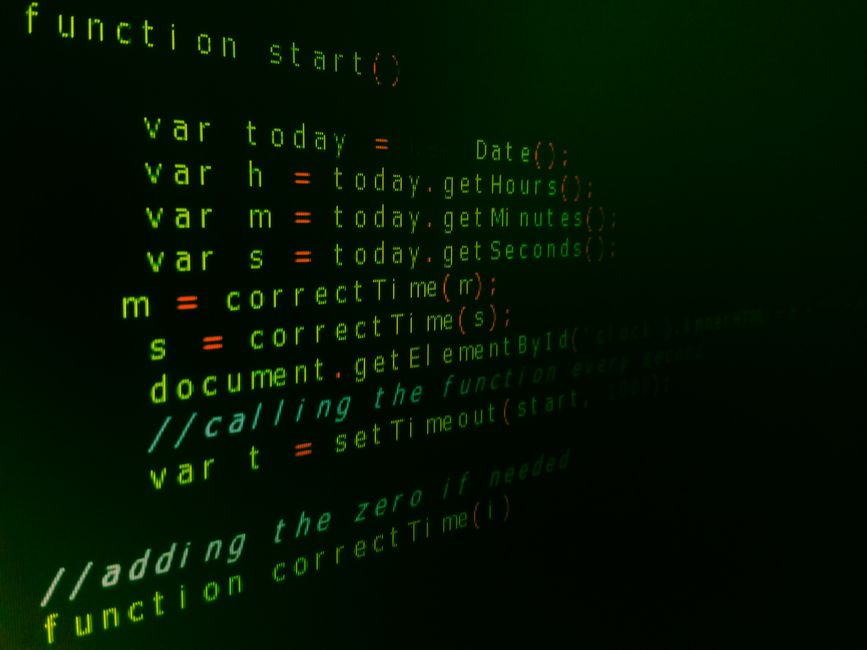
Every lesson includes annotated code samples that explain each line in plain language. You see not just what the code does, but why it was written that way, so patterns stick long after the module ends.
Debugging is a skill you build by doing. Our modules include broken code snippets and guided exercises that teach you to trace errors, read stack traces, and fix issues systematically rather than guessing.
Each module ends with a small project that mirrors real-world tasks, from building a command-line tool to structuring a database schema. You finish with something concrete to add to your portfolio.
Understanding Git and collaborative workflows is non-negotiable in modern development. You will practice branching, merging, and resolving conflicts in a simulated team environment.
Learning to review code is as important as writing it. We provide checklists that help you evaluate readability, performance, and maintainability, so you develop a critical eye for quality.
Your personal dashboard shows completed lessons, quiz scores, and project milestones. It keeps your learning path transparent and helps you identify areas that need more attention.
Choose a track that matches your current experience and the kind of software you want to build. Each path is a complete sequence of modules, not a single course.
Foundations track — for newcomers with no prior coding background. Covers variables, control flow, functions, and basic debugging. You finish with a small terminal project that ties the concepts together.
Web development track — focused on front-end and back-end essentials. You work with HTML, CSS, JavaScript, and a lightweight server framework. The final module is a full-stack CRUD application deployed to a test environment.
Systems & automation track — for developers who want to go deeper into scripting, data pipelines, and API integration. Includes practical exercises on error handling, logging, and scheduled tasks.
Capstone project — every track ends with a guided build. You pick a problem from a provided list, write the code, and get a code review with concrete feedback on structure and readability.

Before you enroll, read through the definitions and conditions that shape how HolyCode Digital Academy structures its modules, assessments, and certificates. These notes remove ambiguity so you know exactly what each program includes and what it does not.
Finishing a module means you have worked through all lessons and passed the checkpoint quiz. A certificate is issued only after you complete the full track, including the final project review. Partial progress does not qualify for a certificate, but your dashboard keeps your history so you can resume anytime.
Instructor feedback covers logic, readability, and adherence to the module's learning objectives. We do not rewrite your project for you; we point out specific lines and patterns that need adjustment. Expect one round of detailed comments per submission, with a follow-up review after you apply the suggested changes.
Each track lists the assumed knowledge in its description. If you are new to programming, start with the Foundations path. If you already write code professionally, the placement test on your dashboard will recommend a starting module so you do not repeat material you already know.
Enrollment grants access to the current version of the track for twelve months from the start date. When we update lessons, add new exercises, or revise reference materials, you get the refreshed content automatically during your active period. Archived versions remain available for review until your access window closes.
Each track has a suggested pacing calendar, but deadlines are flexible within your access window. If you submit a project after the recommended date, the review queue may take longer. We prioritize submissions from learners who follow the suggested schedule, so plan your workload accordingly.
If you change your mind within fourteen days of enrollment and have not completed more than two modules, you can request a transfer to a different track or a refund. Transfers are processed within five business days. Refunds go back to the original payment method and may take up to ten business days to appear.
Outcomes from our learners

I took the Python track to handle repetitive data entry at my office. After the first three modules I built a script that cleans and sorts reports in under a minute. The exercises are direct, and the feedback on each task helped me fix mistakes early.
The comparison module on JavaScript frameworks cleared up a lot of confusion. I now understand when to reach for React and when Vue is the lighter option. The side-by-side code examples made the difference obvious, not abstract.

Before this course, I avoided anything related to SQL. The database design module walked me through normalization and indexing with real project examples. I redesigned a messy schema for a side project and queries are noticeably faster now.
The software practices section taught me how to give and receive useful feedback. I started applying the checklist from the module to our team's pull requests, and the discussions are much more focused on logic and edge cases.